Incontinence After Distribution There Are Options: Holistic Ob Gyn & Midwifery: Licensed Nurse Midwives
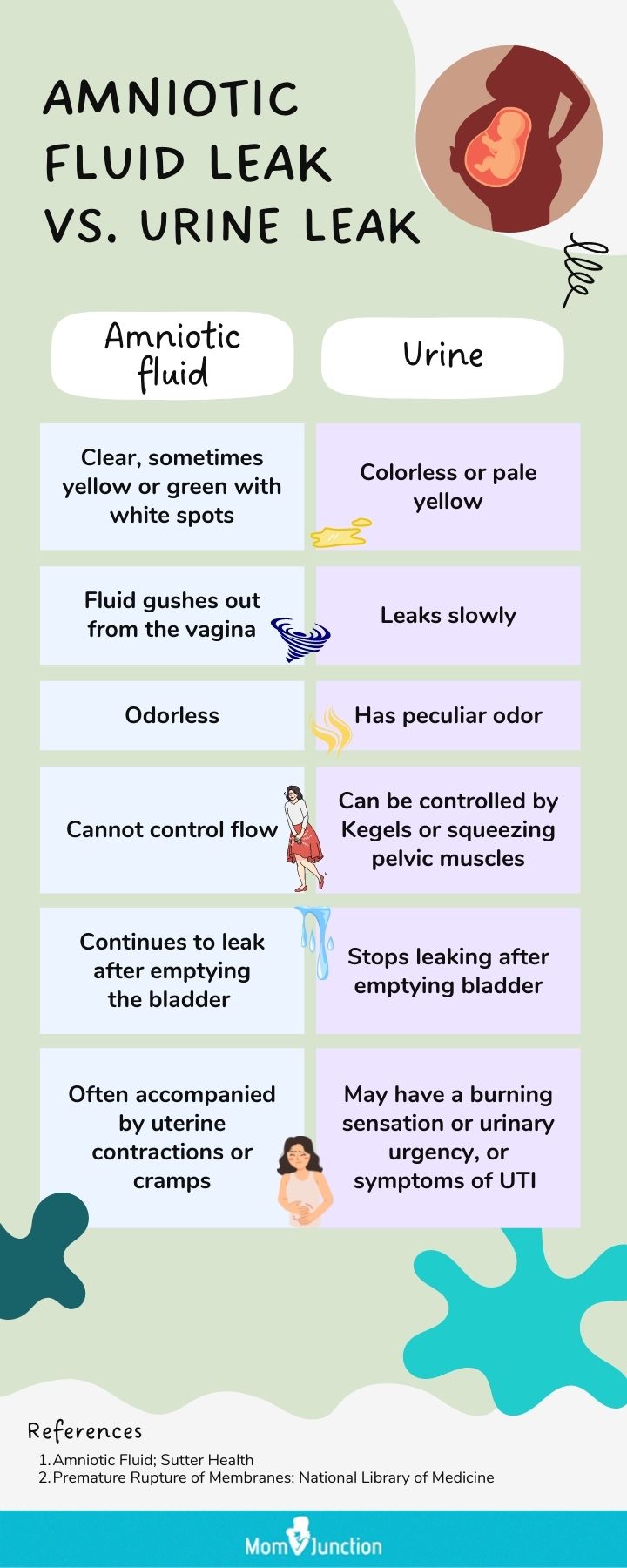
Whatever You Require To Know About Postpartum Urinary Incontinence Both most common sorts of urinary system incontinence that impact women are stress incontinence and prompt urinary incontinence, also called over active bladder. This might be due to the fact that pregnancy, childbirth, and menopause may make urinary system incontinence more probable. Urinary incontinence is not a normal component of aging, and it can be treated. Pregnancy and childbirth are tough on the body and can impact greater than your uterus. The excess weight from your growing infant can put pressure on your bladder and various other bordering body organs, commonly weakening the muscular tissues that manage pee circulation, the pelvic floor muscles.
- Urinary incontinence additionally ends up being even more common as a female ages-- especially throughout menopause.
- You can make lots of small modifications to your everyday routine to eliminate undesirable stress and anxiety on the bladder.
- Kegels can be done relaxing or taking a seat and should just focus on tightening your pelvic flooring muscles, not your abdomen, thighs, or buttock.
- The expert may be a urologist, that treats urinary system troubles in both men and women, or a urogynecologist, who has unique training in the female urinary system.
Signs Of Postpartum Urinary System Incontinence
However, that does not mean you must select a cesarean section simply to lower your danger of incontinence. At the same time, hormonal fluctuations trigger the muscle mass to end up being stretchier in order to suit your growing belly and prepare your body for birth. As the infant moves via the birth canal throughout distribution, the pressure and strain on the muscular tissues raise dramatically. If injury arises from a shipment, the weakened support of the bladder, rectum or uterus may create dropping of these body organs into the vaginal area. Dropping of any of these organs is called pelvic relaxation, or prolapse. The muscles and sustaining cells that are over the vaginal area and that hold the bladder up are weakened or torn, allowing the bladder to drop down into the vaginal area. This bulging of the bladder into the vagina is called bladder prolapse, or a cystocele (see fig 1). Utilize the restroom every 30 minutes to an hour, after that try to expand the time in between peeings every day. Clearing your bladder before activities, consisting of exercising, can additionally help restrict leak. A brand-new study from Aeroflow Urology exposes that postpartum incontinence, those little leakages that can take place when you laugh, sneeze, or just raise your child, is a truth for a substantial majority of new mommies. The link between urinary incontinence and giving birth has actually been presumed for a long time.What does a postpartum bladder prolapse seem like?
you have throbbing discomfort in your pelvic region or back. you have difficulty mosting likely to the commode. You might require to urinate a whole lot, have trouble clearing your bladder or digestive tract, or pee accidentally.